Muscle Control and Reinforcement

Lymphatic massage, also known as lymphatic drainage, is a therapeutic technique designed to stimulate the lymphatic system and improve overall health. Originally developed to aid in the treatment of lymphedema and other circulatory issues, this massage method has gained attention for its potential benefits in muscle control and reinforcement. This article explores how lymphatic massage can enhance muscle function, support recovery, and contribute to overall well-being.
Muscle Control and Function
- Enhanced Circulation
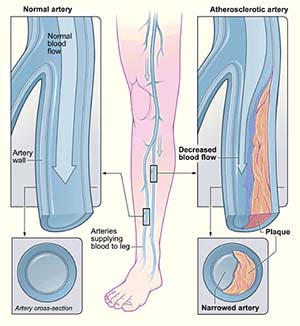
One of the primary benefits of lymphatic massage is its ability to improve circulation. Better circulation means more efficient delivery of oxygen and nutrients to muscles, which is essential for optimal muscle function. Improved blood flow can also aid in the removal of metabolic waste products, reducing muscle fatigue and soreness.
- Reduced Muscle Tension
Lymphatic massage can help alleviate muscle tension by promoting relaxation and reducing stress. The gentle strokes and pressure applied during the massage can help release tightness in muscles, which can enhance range of motion and overall muscle control. This can be particularly beneficial for individuals with chronic muscle tension or those recovering from injuries.
- Enhanced Recovery
Athletes and fitness enthusiasts often use lymphatic massage as part of their recovery regimen. By accelerating the removal of waste products and reducing inflammation, lymphatic massage can support faster muscle recovery after intense exercise. This can lead to improved muscle performance and reduced risk of injury.
Reinforcement and Strength

- Improved Muscle Efficiency
Regular lymphatic massage can contribute to better muscle efficiency. By ensuring that muscles receive adequate nutrients and are free from excessive waste buildup, lymphatic massage can help muscles function more effectively. This can lead to improved strength and endurance over time.
- Support for Rehabilitation
For individuals recovering from muscle injuries or surgeries, lymphatic massage can be a valuable adjunct to traditional rehabilitation methods. The massage can help reduce swelling, promote healing, and enhance overall muscle function. This support can facilitate a smoother and faster recovery process.

- Prevention of Muscle Imbalances
Muscle imbalances often arise from uneven stress or tension on different muscle groups. Lymphatic massage can help address these imbalances by promoting even distribution of lymph fluid and reducing localized inflammation. This can contribute to more balanced muscle development and function.
Practical Considerations
- Frequency and Duration
The frequency and duration of lymphatic massage sessions can vary based on individual needs and goals. For general muscle control and reinforcement, sessions once or twice a week may be beneficial. However, those with specific conditions or recovery needs might require more frequent sessions.
- Professional vs. Self-Massage
While professional lymphatic massage can provide the most effective results, self-massage techniques and tools can also be beneficial. Using tools such as foam rollers or massage balls, along with proper techniques, can help maintain lymph flow and support muscle function between professional sessions.
Practical Considerations
Frequency and Duration
The frequency and duration of lymphatic massage sessions can vary based on individual needs and goals. For general muscle control and reinforcement, sessions once or twice a week may be beneficial. However, those with specific conditions or recovery needs might require more frequent sessions.
- Professional vs. Self-Massage
While professional lymphatic massage can provide the most effective results, self-massage techniques and tools can also be beneficial. Using tools such as foam rollers or massage balls, along with proper techniques, can help maintain lymph flow and support muscle function between professional sessions.
- Consultation with Professionals
It is advisable to consult with a healthcare provider or a certified massage therapist before starting lymphatic massage, especially if you have underlying health conditions or specific concerns. A professional can provide personalized recommendations and ensure that the massage is performed safely and effectively.
Conclusion
Lymphatic massage offers a range of benefits for muscle control and reinforcement, from enhanced circulation and reduced tension to improved recovery and muscle efficiency. Integrating lymphatic massage into a regular health and wellness routine can support overall muscle function and contribute to a balanced, healthy lifestyle. Whether used as a preventive measure or as part of a rehabilitation program, this therapeutic technique can play a valuable role in optimizing muscle performance and overall well-being.