Lymphatic Drainage vs. Anti-Cellulite Massage: What’s the Difference?

Lymphatic Drainage vs. Anti-Cellulite Massage: What’s the Difference?
Although often confused, lymphatic drainage and anti-cellulite massage are fundamentally different in both technique and benefits, making them suitable for distinct goals and needs.
Lymphatic Drainage:
Lymphatic drainage is a gentle and precise technique designed to encourage the natural circulation of lymph fluid throughout the body. The lymphatic system is essential for removing toxins, waste, and other unwanted materials from the body, making this massage a powerful tool for detoxification and immune support.
During a lymphatic drainage session, therapists use light, rhythmic movements to guide lymph fluid toward the lymph nodes, where it is filtered and purified. This process not only enhances the body’s ability to fight off infections but also promotes a sense of deep relaxation. Because lymphatic fluid is located just below the skin, the pressure applied is minimal, making the experience soothing and calming.
Lymphatic drainage is particularly beneficial for individuals who suffer from conditions such as lymphedema, chronic fatigue, or those recovering from surgery. It’s also an excellent choice for anyone looking to boost their overall health and well-being. To achieve optimal results, sessions typically last between 15 minutes and half an hour, with regular monthly treatments recommended. After each session, it’s crucial to rest and stay hydrated to assist your body in flushing out the toxins released during the massage.
Anti-Cellulite Massage:
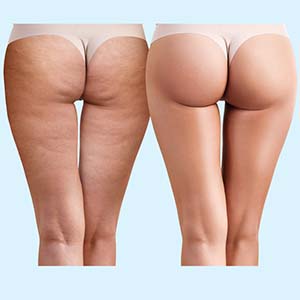
On the other hand, anti-cellulite massage is a more vigorous treatment designed to target and reduce the appearance of cellulite. Cellulite, often referred to as “orange peel skin,” occurs when fat deposits push through the connective tissue beneath the skin, leading to a dimpled or uneven surface.
This type of massage employs firm pressure and a variety of techniques such as kneading, patting, and skin rolling. These methods work to break down the fat cells and stimulate blood flow, which can help smooth out the skin’s texture and reduce water retention. Unlike lymphatic drainage, anti-cellulite massage is more intense, aiming to stimulate deep tissue layers and improve circulation.
Anti-cellulite treatments are particularly effective for areas prone to cellulite, such as the thighs, buttocks, and abdomen. Sessions typically last around an hour, and for best results, it’s recommended to undergo treatment weekly. To maintain the effects of the massage, post-session care is essential, including staying hydrated and incorporating regular exercise into your routine. These practices help ensure that the improvements in skin texture and reduction in cellulite are long-lasting.
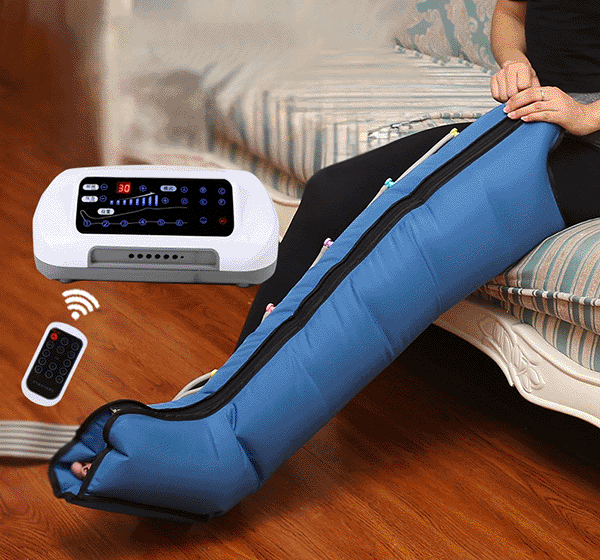
Combining Techniques with Lympha Massage Devices:
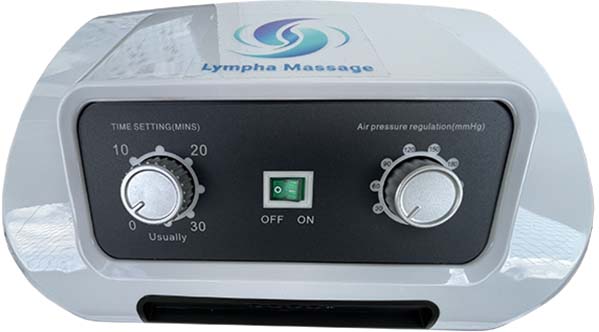
Modern advancements in massage therapy devices have made it easier to target both lymphatic drainage and cellulite reduction in one treatment. For example, Lympha Massage devices allow users to customize their massage experience by adjusting the air pressure in the cuff. This feature makes it possible to choose between a gentle lymphatic drainage massage or a more vigorous anti-cellulite treatment, depending on your specific needs at any given time.
Conclusion
While lymphatic drainage and anti-cellulite massages serve different purposes, they can be complementary, offering both detoxification and aesthetic benefits. Whether you seek to enhance your immune system, reduce toxins, or smooth and tone your skin, understanding the unique benefits of each massage type will help you select the best treatment for your goals. With innovations like the Lympha Massage, achieving these benefits can now be done in the comfort of your own home.