Understanding Chronic Venous Insufficiency: Causes, Symptoms, and Effective Management
Are you experiencing swelling, pain, or discomfort in your legs? It could be a sign of Chronic Venous Insufficiency (CVI), a common condition that affects millions of people worldwide. Understanding the causes, symptoms, and treatment options for CVI is essential for managing the condition effectively and improving your quality of life.
Chronic Venous Insufficiency (CVI) is a prevalent vascular condition that affects millions of people worldwide, with approximately 2% to 5% of the adult population in the United States experiencing this issue. Beyond causing simple discomfort, CVI has far-reaching implications for health, potentially leading to severe complications if not managed properly. This article delves into the nature of CVI, its symptoms, impact on the lymphatic system, and effective management strategies, with a particular focus on the role of Lympha Massage.
What is Chronic Venous Insufficiency (CVI)?
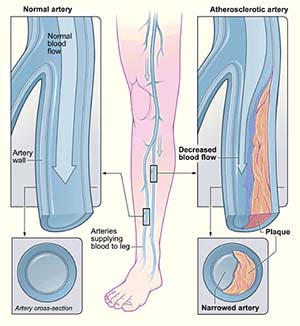
Chronic Venous Insufficiency occurs when the valves in the veins of the lower limbs fail to function effectively. Under normal conditions, these valves help ensure that blood flows upward from the legs to the heart against gravity. However, in CVI, these valves become weakened or damaged, causing blood to pool in the veins of the legs. This pooling prevents efficient blood circulation, resulting in a range of symptoms and complications.
The compromised blood flow leads to increased venous pressure, which can manifest as visible varicose veins and more severe issues like skin breakdown, chronic wounds, and venous stasis ulcers. The condition is often progressive, meaning that symptoms can worsen over time if not properly addressed.
Symptoms of Chronic Venous Insufficiency
CVI manifests through various symptoms that can range from mild to severe. Early recognition and treatment are crucial for managing this condition effectively:
- — Pain and Neuropathy: Individuals with CVI commonly experience chronic pain, particularly in the legs. As the disease progresses, neuropathy may develop, characterized by numbness, tingling, or burning sensations.
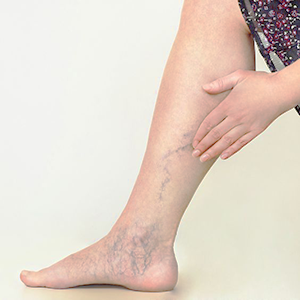
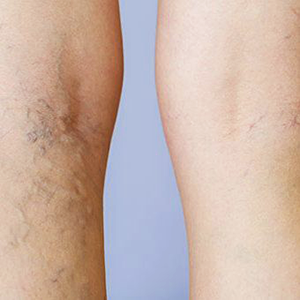
- — Varicose Veins: One of the most visible signs of CVI is the appearance of varicose veins—enlarged, twisted veins that are often blue or dark purple. These veins may cause discomfort and, in severe cases, can rupture, leading to further complications.
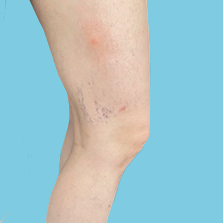
- — Pitting Edema: Edema, or swelling, is a common symptom of CVI. Pitting edema occurs when pressure is applied to the swollen area, leaving a pit or indentation that persists. This indicates fluid retention and increased venous pressure.
- — Venous Stasis Ulcers: Chronic venous stasis ulcers are open sores that typically appear on the lower legs. These ulcers are difficult to heal and are prone to infection, representing one of the most severe complications of CVI.
- — Infection: Stagnant blood flow and the presence of ulcers create an environment conducive to infections. These infections can spread and lead to more serious systemic issues if not treated promptly.
- — Lymphatic Channel Breakdown: Chronic pressure and inflammation from CVI can damage the lymphatic system, leading to phlebolymphedema—a type of chronic lymphedema associated with venous insufficiency. Phlebolymphedema exacerbates swelling and increases the risk of infection and skin damage.
The Impact of CVI on the Lymphatic System
CVI profoundly affects the lymphatic system. Under normal conditions, the lymphatic system helps remove excess fluid and waste from tissues. However, in CVI, increased venous pressure causes fluid to leak from capillaries into surrounding tissues, leading to edema.
The excess fluid overwhelms the lymphatic system, causing chronic inflammation and damage to lymphatic vessels. This results in phlebolymphedema—a specific type of lymphedema associated with venous insufficiency. Phlebolymphedema not only causes persistent swelling but also makes the skin more susceptible to breakdown and ulceration.
If left untreated, the combined effects of CVI and phlebolymphedema can lead to severe, chronic wounds known as venous stasis ulcers. These ulcers are challenging to heal due to compromised circulation and ongoing venous pressure. Effective management of both CVI and lymphatic dysfunction is essential for preventing and treating these wounds.
Strategies for Managing Chronic Venous Insufficiency
Effective management of CVI requires a comprehensive approach that addresses the underlying venous insufficiency, alleviates symptoms, and prevents complications. Key strategies include:
- Reducing Edema: Managing swelling is crucial in CVI treatment. Reducing fluid buildup in tissues alleviates pressure on the skin and blood vessels, helping to prevent skin breakdown and ulcer formation.
- Increasing Circulation: Enhancing blood flow is critical for ensuring that oxygen and nutrients reach affected tissues, promoting healing, and preventing further damage. Methods to improve circulation include physical therapy, leg elevation, and compression garments.
- Controlling Infection: Preventing and managing infections is vital, especially when ulcers or skin breakdown are present. This may involve topical antibiotics, proper wound care, and systemic antibiotics if necessary.
Pneumatic Compression Therapy with Lympha Massage
One of the most effective methods for managing CVI and its associated symptoms is pneumatic compression therapy, particularly using devices like Lympha Press®. This therapy employs a compression pump that applies sequential pressure to the affected limbs, promoting lymphatic flow and reducing edema.
Lympha Massage offers several benefits for CVI management:
- — Reduction of Edema: Controlled pressure from Lympha Massage helps move excess fluid out of the tissues and back into the lymphatic and venous systems, reducing swelling and discomfort.
- — Improved Circulation: Sequential compression provided by Lympha Press® enhances blood flow, which helps oxygenate tissues and promote healing. This is especially important for preventing venous stasis ulcers and aiding in the healing of existing wounds.
- — Support for Wound Healing: By reducing edema and improving circulation, Lympha Press® creates an environment conducive to wound healing. This can result in faster recovery times and a lower risk of complications.
Venous Procedures and Lympha Massage
In addition to pneumatic compression therapy, venous procedures such as sclerotherapy or laser therapy may be recommended to address the underlying venous insufficiency. These procedures work by closing off damaged veins, redirecting blood flow to healthier veins, and reducing venous pressure.
Lympha Massage can be highly beneficial both before and after venous procedures. It helps manage lymphatic overload by promoting lymph flow through the dermis and reducing the risk of complications such as phlebolymphedema.
Conclusion
Chronic Venous Insufficiency is a complex and often debilitating condition that requires a multifaceted treatment approach. Understanding the impact of CVI on both the venous and lymphatic systems is essential for effective management. Therapies like pneumatic compression with Lympha Massage offer powerful tools for improving circulation, reducing edema, and supporting wound healing. Integrating these therapies into a comprehensive treatment plan can help manage symptoms, prevent complications, and enhance the quality of life for individuals affected by CVI. For more detailed information on contraindications and how Lympha Press® can aid in managing CVI, consult with a healthcare provider or refer to the product catalog.
Your legs will thank you for it!