
 CategoriesCELLULITE Company Insight SCIENCE Tips & Tricks
A Guide to Choosing the Right Massage Therapy

 CategoriesCELLULITE Company Insight SCIENCE Tips & Tricks
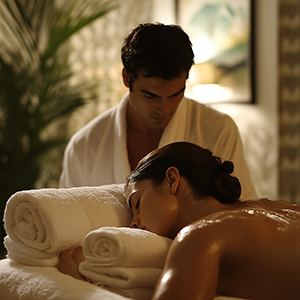
n today’s fast-paced world, muscle tension and body strain are common issues. A well-executed massage can alleviate these, promoting both physical and emotional well-being.
Massage therapy is widely recognized for its health benefits. Whether you’re seeking relief from muscle pain, wanting to rejuvenate, or looking to improve your lymphatic system’s function, a 40-minute session can work wonders. Before booking, it’s important to research the therapist’s experience and communicate your specific goals.
Your preferences should guide your choice of massage. Decide whether you need a gentle or intense session, and ensure you trust your therapist’s style. If you’re new to massage, provide your therapist with your health history to tailor the session to your needs. Some seek massage for chronic conditions, while others want to relieve tension or enhance their lymphatic system’s health, which is crucial for immunity and detoxification.
– Swedish Massage: A gentle, soothing option ideal for relaxation and relieving muscle tension.
– Lympha Massage: Specifically designed to enhance the lymphatic system’s function, this technique helps reduce swelling, detoxify the body, and improve circulation. It’s particularly beneficial for those recovering from surgery, or anyone looking to boost their immune system.
You can also opt for targeted treatments like reflexology or shiatsu or combine your massage with spa treatments for a comprehensive experience. The right choice will make your session both effective and enjoyable.
This version incorporates Lympha Massage as a key option, highlighting its benefits for overall health, detoxification, and recovery.
I hope the contrast in these stories helps to highlight what we’ve learned:
Understanding Your Needs
Selecting the Right Type
Buy Lympha Massage set for your home.
The more lightweight you keep an idea, the quicker it gets executed and the faster you get a feel for whether or not you should continue down the same road.
 CategoriesCELLULITE Company Insight Tips & Tricks
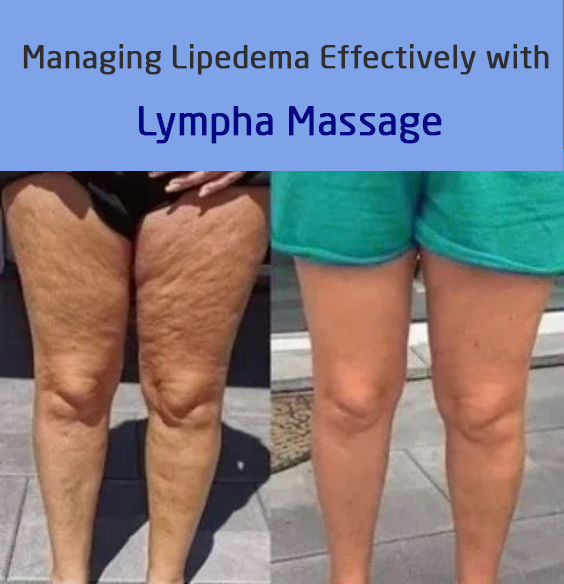
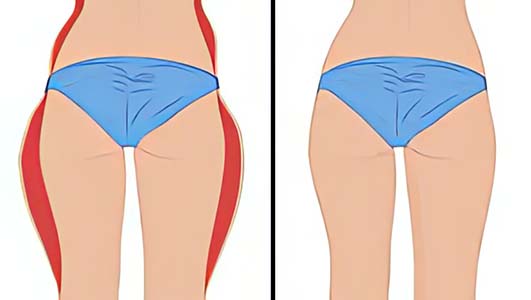
Lipedema is a chronic, often misunderstood condition that primarily affects women. It involves an abnormal accumulation of fat cells, typically in the legs, buttocks, and sometimes arms, leading to a disproportionate body shape. Unlike general obesity, lipedema is not caused by overeating or lack of exercise but is believed to be genetic, often running in families. This condition is marked by a significant strain on the lymphatic system due to the altered fat structure, which can lead to further complications if not managed effectively.
«An effective lymphatic drainage session should last at least 20 or 30 minutes. Only then does the lymphatic system really start to work sustainably.»
Dr. Kate Bohan
Lipedema usually starts at puberty, pregnancy, or menopause, suggesting a hormonal link. The affected areas exhibit fat deposits that are symmetrical, causing pain, swelling, and limited mobility. Without timely intervention, lipedema can progress to lipolymphedema, where the subcutaneous fatty tissue compresses the lymphatic vessels, leading to a build-up of lymphatic fluid. This exacerbation not only increases discomfort but also complicates treatment.
Early diagnosis is crucial in managing lipedema effectively. If left untreated, the condition can lead to severe physical and emotional distress. Symptoms such as bruising, tenderness, and sensitivity to touch are common, and as the condition progresses, it may become increasingly painful and debilitating. While there is no cure for lipedema, treatments like Lympha Massage can significantly alleviate symptoms and improve quality of life.
Lympha Massage, a specialized form of lymphatic drainage, plays a pivotal role in conservative lipedema therapy. This therapeutic massage is designed to enhance the transport capacity of the lymphatic system, reducing swelling and discomfort in affected areas. By improving lymph flow, Lympha Massage helps to decrease the pressure exerted by the abnormal fat deposits, thereby alleviating pain and improving mobility.
The process of Lympha Massage involves a series of gentle, rhythmic movements designed to stimulate the lymphatic vessels, encouraging the absorption and removal of excess tissue fluid. This massage targets the lymph nodes and vessels, promoting decongestion and reducing the formation of lymphoedema—a common complication in advanced lipedema. An effective lymphatic drainage session typically lasts at least 20 to 30 minutes, as noted by Dr. Kate Bohan, a specialist in lymphatic therapy, who emphasizes the importance of sustained stimulation for optimal results.
Lympha Massage offers numerous benefits for individuals with lipedema, making it a vital component of a comprehensive treatment plan.
Lympha Massage can be administered by trained therapists or performed at home with the appropriate guidance and tools. For those interested in self-treatment, it’s important to follow specific steps to ensure effectiveness:
However, it is essential to remember that self-treatment should complement, not replace, professional care. Consulting with a specialist who can provide tailored advice and monitor your progress is highly recommended.
Lympha Massage is most effective when used as part of a holistic treatment approach. This can include compression therapy, which involves wearing specially designed garments to support lymphatic drainage, and physical therapy exercises that focus on improving circulation and mobility. Together, these treatments can provide a comprehensive solution for managing lipedema.
Additionally, adopting a healthy lifestyle—such as maintaining a balanced diet, staying hydrated, and engaging in regular physical activity—can further enhance the benefits of Lympha Massage. These lifestyle changes can help to manage symptoms and improve overall health, making it easier to live with lipedema.
Conclusion
Lympha Massage is a valuable tool in the management of lipedema, offering relief from the symptoms of this chronic condition. By improving lymph flow, reducing swelling, and alleviating pain, this therapeutic massage enhances the quality of life for those affected. When combined with other treatment modalities, such as compression therapy and lifestyle adjustments, Lympha Massage can significantly contribute to a holistic approach to lipedema care.
For those seeking to manage their condition effectively, regular Lympha Massage sessions—whether professionally administered or performed at home—are an essential part of the treatment plan. As awareness of lipedema grows, so too does the importance of effective management strategies like Lympha Massage in improving patient outcomes and enhancing well-being.
 CategoriesCompany Insight Lifestyle Tips & Tricks
Indications for Treatment
Lymphatic drainage is a versatile and widely applicable therapeutic treatment that caters to a broad spectrum of individuals. From medical conditions to aesthetic enhancements and athletic recovery, the range of indications for lymphatic drainage is truly impressive. Its therapeutic benefits make it one of the most universal physiotherapeutic treatments available today.
Medical Indications for Lymphatic Drainage
Lymphatic drainage is particularly beneficial for individuals suffering from various medical conditions that affect the lymphatic system, circulatory system, or other related bodily functions. The treatment’s ability to improve lymphatic flow, reduce swelling, and enhance circulation makes it an effective therapy for the following conditions:
Lymphatic Drainage for Athletes and Sports Recovery
Aesthetic and Beauty Applications of Lymphatic Drainage
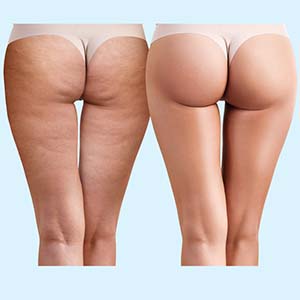
Beyond its medical and sports-related applications, lymphatic drainage is also a sought-after treatment in the aesthetic and beauty industry. Its ability to improve skin tone, reduce cellulite, and enhance overall body contouring makes it a popular choice among those seeking to enhance their appearance. Key aesthetic indications for lymphatic drainage include:
 CategoriesCompany Insight Tips & Tricks
Pressotherapy, also known as lymphatic drainage or lympha massage, is a non-invasive treatment that uses controlled air pressure to alternate between compression and decompression on different parts of the body. This treatment stimulates the lymphatic system, promoting the removal of toxins and improving blood circulation. Pressotherapy is applied using a specialized device, making it an effective option for both cosmetic and medical purposes.
Pressotherapy serves as an alternative to manual lymphatic drainage, a type of massage that manually encourages the flow of lymph fluid through the lymphatic system. The lymphatic system is a crucial part of the circulatory and immune systems, responsible for carrying lymph fluid, which contains white blood cells, fats, and waste products. Proper lymphatic drainage is essential for immune health and the prevention of fluid retention.

During a Lympha massage session, the patient wears a device around the limbs, controlled by a machine that regulates air pressure. The device applies and releases pressure in a rhythmic sequence, mimicking the effects of manual lymphatic massage. Sessions typically last between 30 and 45 minutes, and for optimal results, a series of sessions is often recommended, tailored to the individual’s specific needs.
Pressotherapy/Lympha massage is recognized not only for its ability to enhance lymphatic drainage and improve circulation but also for its relaxing and rejuvenating effects, making it a popular choice for both therapeutic and aesthetic purposes.
Pressotherapy is not recommended for certain individuals, including:
Over to You
I hope the contrast in these stories help to highlight what we’ve learned:


LYMPHA MASSAGE PRODUCTS Закрыть