Understanding and Managing Chronic Wounds: The Role of Lympha Massage in Promoting Healing

Understanding and Managing Chronic Wounds: The Role of Lympha Massage in Promoting Healing
Introduction
Chronic wounds represent a significant healthcare challenge, affecting over three million Americans. Unlike acute wounds, which typically heal within a predictable timeframe, chronic wounds persist for months or even years without significant improvement. These persistent wounds are more than just surface issues; they often reflect deeper, underlying health problems. Addressing these root causes is crucial for effective healing. One promising approach is the use of advanced therapies such as Lympha Press®, which has shown potential in managing chronic wounds and promoting healing.
The Challenge of Chronic Wounds
Chronic wounds, by definition, do not follow the usual healing trajectory. They resist standard treatments and often become a source of complications such as infections, pain, and reduced quality of life. Understanding why chronic wounds fail to heal involves recognizing the complex interplay of several factors. These factors often include impaired circulation, persistent infection, and ongoing edema, each contributing to the wound’s persistence.
Three Primary Barriers to Wound Healing
- Circulation Issues
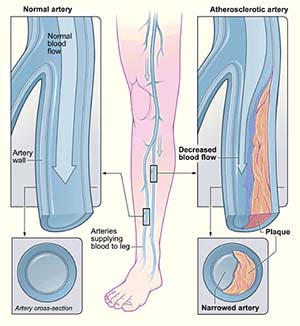
Effective wound healing requires a continuous supply of oxygenated blood to the wound site. This blood delivers essential nutrients and oxygen necessary for tissue repair. Circulation issues, such as those seen in Chronic Venous Insufficiency (CVI), can impede this process. In CVI, the veins in the legs have difficulty returning blood to the heart, leading to inadequate oxygenation of the wound and slowing or halting the healing process.

- Infection
Infection is a critical barrier to wound healing. Bacteria can invade the wound, destroying collagen—the protein essential for new tissue formation. This destruction not only delays healing but can also lead to severe complications like sepsis if not managed promptly. Infections also contribute to inflammation, which further impedes the healing process.
- Edema
Edema, or excess fluid accumulation in the tissues, is another significant barrier. When fluid builds up in the wound bed, it can wash away crucial components like collagen needed for tissue growth. Chronic edema perpetuates inflammation, damaging the lymphatic system and hindering the body’s natural healing processes. This cycle of inflammation and fluid retention creates a hostile environment for wound healing.
The Interconnection of Chronic Wounds and Related Conditions
Chronic wounds are rarely isolated issues; they are often related to other underlying conditions that contribute to their persistence. One of the most common conditions associated with chronic wounds is Chronic Venous Insufficiency (CVI). CVI affects the veins in the legs, leading to poor blood return to the heart and contributing to conditions like lymphedema, which complicates wound healing.
The Role of Lympha Massage in Managing Chronic Wounds
Lympha Massage, specifically Lympha Massage therapy, has emerged as a promising treatment for chronic wounds. This therapy involves a pneumatic compression device that applies sequential pressure to the affected limbs, stimulating lymphatic flow and reducing edema. By addressing circulation issues and edema, Lympha Massage creates a more conducive environment for tissue repair.
Evidence of Effectiveness
Clinical studies have demonstrated that Lympha Massage significantly improves wound
healing outcomes. Patients using Lympha Massage therapy have shown marked decreases in wound size and leg circumference, indicating reduced edema and enhanced limb health. The therapy has been effective in promoting overall limb health, making it a valuable component of comprehensive wound care.
Strategies for Controlling Edema
Managing edema is critical in the treatment of chronic wounds. Several strategies can be employed to reduce swelling and support healing:
- Elevation
Elevating the affected limb helps reduce fluid buildup by allowing gravity to assist in draining excess fluid away from the wound site.
- Dynamic/Elastic Compression
Multi-layered or long-stretch bandages apply pressure to the affected area, encouraging fluid movement and reducing swelling.
- Static/Rigid Compression
Compression garments apply consistent pressure to the legs, promoting fluid drainage and improving circulation through muscle contractions against rigid materials.
- Sequential Pneumatic Compression Pump Therapy
Devices like Lympha Massage provide sequential compression that mimics the natural pumping action of muscles, enhancing lymphatic flow and reducing edema.
- Manual Lymph Drainage (MLD)
MLD involves gentle, rhythmic massaging of the affected areas to encourage lymphatic fluid movement.
- Compression Stockings
These garments apply consistent pressure to the legs, helping prevent fluid accumulation and supporting the lymphatic system.
Lympha Pressotherapy: Enhancing Wound Healing
Lympha Massage therapy addresses both the symptoms and underlying causes of chronic wounds. By decreasing edema and increasing blood flow to the wound site, this therapy has proven effective in preventing wound recurrence and improving healing rates for conditions such as venous stasis ulcers and lymphatic fluid seepage. The sequential compression provided by Lympha Massage not only alleviates symptoms but also tackles the root causes of chronic wounds, making it a powerful tool in wound management.
Conclusion
Chronic wounds are a complex medical issue requiring a multifaceted approach to treatment. Addressing the wound alone is insufficient; effective management must consider underlying factors such as circulation issues, infection, and edema. Lympha Massage offers a clinically proven solution that supports the lymphatic system, reduces edema, and enhances circulation. By incorporating therapies like Lympha Press® into a comprehensive treatment plan, healthcare providers can improve patient outcomes and quality of life for individuals with chronic wounds.