
 CategoriesCELLULITE Company Insight SCIENCE Tips & Tricks
A Guide to Choosing the Right Massage Therapy

 CategoriesCELLULITE Company Insight SCIENCE Tips & Tricks
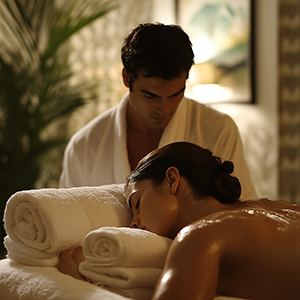
n today’s fast-paced world, muscle tension and body strain are common issues. A well-executed massage can alleviate these, promoting both physical and emotional well-being.
Massage therapy is widely recognized for its health benefits. Whether you’re seeking relief from muscle pain, wanting to rejuvenate, or looking to improve your lymphatic system’s function, a 40-minute session can work wonders. Before booking, it’s important to research the therapist’s experience and communicate your specific goals.
Your preferences should guide your choice of massage. Decide whether you need a gentle or intense session, and ensure you trust your therapist’s style. If you’re new to massage, provide your therapist with your health history to tailor the session to your needs. Some seek massage for chronic conditions, while others want to relieve tension or enhance their lymphatic system’s health, which is crucial for immunity and detoxification.
– Swedish Massage: A gentle, soothing option ideal for relaxation and relieving muscle tension.
– Lympha Massage: Specifically designed to enhance the lymphatic system’s function, this technique helps reduce swelling, detoxify the body, and improve circulation. It’s particularly beneficial for those recovering from surgery, or anyone looking to boost their immune system.
You can also opt for targeted treatments like reflexology or shiatsu or combine your massage with spa treatments for a comprehensive experience. The right choice will make your session both effective and enjoyable.
This version incorporates Lympha Massage as a key option, highlighting its benefits for overall health, detoxification, and recovery.
I hope the contrast in these stories helps to highlight what we’ve learned:
Understanding Your Needs
Selecting the Right Type
Buy Lympha Massage set for your home.
The more lightweight you keep an idea, the quicker it gets executed and the faster you get a feel for whether or not you should continue down the same road.
 CategoriesSCIENCE
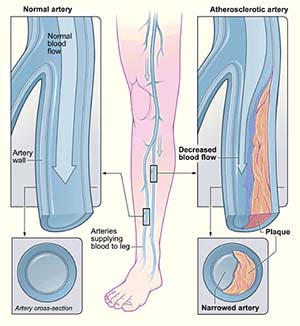
Peripheral Arterial Disease (PAD) is a serious and often underdiagnosed condition that affects approximately eight million Americans. PAD is primarily caused by atherosclerosis, a condition characterized by the hardening and narrowing of arteries due to the buildup of fatty deposits, known as plaque. While many are familiar with coronary artery disease (CAD), which affects the arteries of the heart, PAD involves similar processes occurring in the peripheral arteries—those that supply blood to the limbs, most commonly the legs and feet.
The Mechanism Behind PAD
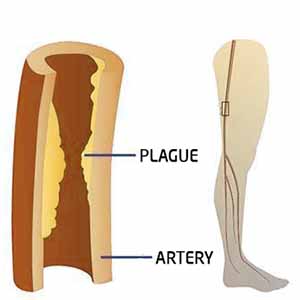
PAD begins when cholesterol and other fats circulating in the blood start accumulating on the walls of arteries. Over time, these fat deposits harden into plaque, leading to the narrowing and stiffening of the arterial walls—a process called atherosclerosis. The term «atherosclerosis» comes from the Greek words «Atheros,» meaning gruel or paste, and «sclerosis,» meaning hardness. This buildup can significantly reduce or even block the flow of blood through the arteries.
When the arteries in the legs and feet are affected, the reduction in blood flow can cause a range of symptoms, including pain, numbness, and cramping, especially during physical activity. This condition, known as claudication, occurs because the muscles in the legs are not receiving enough oxygen-rich blood to meet their increased demand during exercise. As PAD progresses, it can lead to more severe complications, including critical limb ischemia (CLI), where the lack of blood flow becomes so severe that it threatens the viability of the limb. In such cases, wounds may develop that do not heal properly, leading to the risk of infection, gangrene, and in extreme cases, amputation.
The symptoms of PAD can vary widely, from mild discomfort to severe pain and functional impairment. In its early stages, PAD may go unnoticed, as symptoms can be subtle or mistaken for other conditions. However, as the disease progresses, the impact on a person’s quality of life can be profound. Walking, a basic and essential activity, can become increasingly difficult due to pain and fatigue in the legs. In more advanced cases, even at rest, individuals may experience pain, indicating a critical level of arterial blockage.
Beyond the physical symptoms, PAD can also have significant psychological and social effects. The fear of pain and potential complications may lead to decreased physical activity, social withdrawal, and a decline in overall well-being. Furthermore, the risk of serious outcomes, such as limb loss, can cause considerable anxiety and distress.
While PAD is a serious condition, there is hope for those affected. One innovative treatment option that has shown promise in clinical studies is the use of Lympha Massage. This therapy is designed to promote a process known as asteatosis , which refers to the permanent opening of collateral arteries—smaller vessels that can take over the role of supplying blood to tissues when the main arteries are blocked or narrowed.
Clinical studies have demonstrated several significant benefits of Lympha Massage for patients with PAD:
— Increased Arterial Flow: Lympha Massage has been shown to significantly improve arterial blood flow, helping to alleviate the symptoms of PAD by ensuring that more oxygen-rich blood reaches the affected limbs. This increased flow can enhance tissue health and reduce the risk of complications.
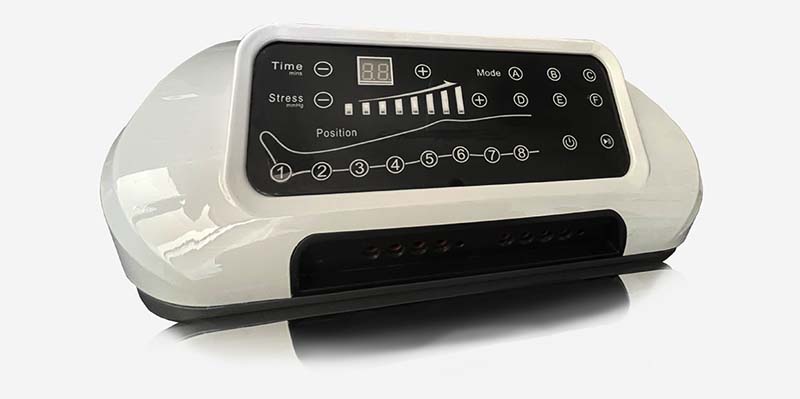
As the understanding of PAD continues to evolve, so too do the treatment options available to patients. Traditional approaches, such as lifestyle changes, medications, and surgical interventions, remain important components of PAD management. However, the introduction of therapies like Lympha Massage offers a promising new avenue for improving patient outcomes, particularly for those who may not respond adequately to conventional treatments.
By enhancing blood flow, reducing pain, and promoting the healing of ulcers, Lympha Massage not only addresses the symptoms of PAD but also targets the underlying vascular issues that contribute to the disease. This comprehensive approach can help to prevent the progression of PAD, reduce the risk of complications, and ultimately improve the quality of life for those affected.
Peripheral Arterial Disease (PAD) is a complex and challenging condition that affects millions of people worldwide. However, with the advent of advanced treatments like Lympha Massage and the Arterial Assist Device, there is new hope for patients struggling with this disease. By focusing on improving circulation, reducing pain, and promoting healing, these therapies offer a powerful tool in the fight against PAD. For those living with PAD, the future holds the promise of better management, enhanced mobility, and a significantly improved quality of life.
 CategoriesSCIENCE
Understanding and Managing Chronic Wounds: The Role of Lympha Massage in Promoting Healing
Chronic wounds represent a significant healthcare challenge, affecting over three million Americans. Unlike acute wounds, which typically heal within a predictable timeframe, chronic wounds persist for months or even years without significant improvement. These persistent wounds are more than just surface issues; they often reflect deeper, underlying health problems. Addressing these root causes is crucial for effective healing. One promising approach is the use of advanced therapies such as Lympha Press®, which has shown potential in managing chronic wounds and promoting healing.
Chronic wounds, by definition, do not follow the usual healing trajectory. They resist standard treatments and often become a source of complications such as infections, pain, and reduced quality of life. Understanding why chronic wounds fail to heal involves recognizing the complex interplay of several factors. These factors often include impaired circulation, persistent infection, and ongoing edema, each contributing to the wound’s persistence.
Effective wound healing requires a continuous supply of oxygenated blood to the wound site. This blood delivers essential nutrients and oxygen necessary for tissue repair. Circulation issues, such as those seen in Chronic Venous Insufficiency (CVI), can impede this process. In CVI, the veins in the legs have difficulty returning blood to the heart, leading to inadequate oxygenation of the wound and slowing or halting the healing process.

Infection is a critical barrier to wound healing. Bacteria can invade the wound, destroying collagen—the protein essential for new tissue formation. This destruction not only delays healing but can also lead to severe complications like sepsis if not managed promptly. Infections also contribute to inflammation, which further impedes the healing process.
Edema, or excess fluid accumulation in the tissues, is another significant barrier. When fluid builds up in the wound bed, it can wash away crucial components like collagen needed for tissue growth. Chronic edema perpetuates inflammation, damaging the lymphatic system and hindering the body’s natural healing processes. This cycle of inflammation and fluid retention creates a hostile environment for wound healing.
Chronic wounds are rarely isolated issues; they are often related to other underlying conditions that contribute to their persistence. One of the most common conditions associated with chronic wounds is Chronic Venous Insufficiency (CVI). CVI affects the veins in the legs, leading to poor blood return to the heart and contributing to conditions like lymphedema, which complicates wound healing.
Lympha Massage, specifically Lympha Massage therapy, has emerged as a promising treatment for chronic wounds. This therapy involves a pneumatic compression device that applies sequential pressure to the affected limbs, stimulating lymphatic flow and reducing edema. By addressing circulation issues and edema, Lympha Massage creates a more conducive environment for tissue repair.
Clinical studies have demonstrated that Lympha Massage significantly improves wound
healing outcomes. Patients using Lympha Massage therapy have shown marked decreases in wound size and leg circumference, indicating reduced edema and enhanced limb health. The therapy has been effective in promoting overall limb health, making it a valuable component of comprehensive wound care.
Managing edema is critical in the treatment of chronic wounds. Several strategies can be employed to reduce swelling and support healing:
Elevating the affected limb helps reduce fluid buildup by allowing gravity to assist in draining excess fluid away from the wound site.
Multi-layered or long-stretch bandages apply pressure to the affected area, encouraging fluid movement and reducing swelling.
Compression garments apply consistent pressure to the legs, promoting fluid drainage and improving circulation through muscle contractions against rigid materials.
Devices like Lympha Massage provide sequential compression that mimics the natural pumping action of muscles, enhancing lymphatic flow and reducing edema.
MLD involves gentle, rhythmic massaging of the affected areas to encourage lymphatic fluid movement.
These garments apply consistent pressure to the legs, helping prevent fluid accumulation and supporting the lymphatic system.
Lympha Massage therapy addresses both the symptoms and underlying causes of chronic wounds. By decreasing edema and increasing blood flow to the wound site, this therapy has proven effective in preventing wound recurrence and improving healing rates for conditions such as venous stasis ulcers and lymphatic fluid seepage. The sequential compression provided by Lympha Massage not only alleviates symptoms but also tackles the root causes of chronic wounds, making it a powerful tool in wound management.
Chronic wounds are a complex medical issue requiring a multifaceted approach to treatment. Addressing the wound alone is insufficient; effective management must consider underlying factors such as circulation issues, infection, and edema. Lympha Massage offers a clinically proven solution that supports the lymphatic system, reduces edema, and enhances circulation. By incorporating therapies like Lympha Press® into a comprehensive treatment plan, healthcare providers can improve patient outcomes and quality of life for individuals with chronic wounds.
CategoriesSCIENCELympha Massage has emerged as a transformative tool for many women battling lipedema, offering a pathway to effectively manage this challenging condition. Lipedema is a progressive, chronic disease that affects an estimated 350 million women globally. Despite its prevalence, many women remain undiagnosed or unaware of how to manage the condition. With the right knowledge and tools, managing lipedema is not only feasible but can lead to significant improvements in quality of life.
Lipedema is a disorder of the adipose tissue, predominantly affecting women. It is characterized by the abnormal and painful accumulation of fat, particularly in the upper arms, hips, and thighs. Often misdiagnosed as simple obesity, lipedema is sometimes referred to as “the disease they call fat.” The term itself, «lipedema,» means “fluid in fat,” underscoring the abnormal retention of fluid within fatty tissues, which exacerbates the condition.
Women with lipedema often do not exhibit symptoms until they undergo significant hormonal changes, such as during puberty, pregnancy, or menopause. These hormonal shifts can trigger the onset or progression of the disease. Many women can recall specific life stages where they noticed unexplained changes in their body, leading to discomfort and pain that severely impact daily life.
Recognizing the symptoms of lipedema is crucial for early diagnosis and effective management. Some common signs include:
Lipedema progresses through several stages, each marked by distinct characteristics and challenges:
While there is no cure for lipedema, various treatments can help manage the condition, reduce symptoms, and improve quality of life. Effective management often requires a combination of therapies tailored to the individual’s specific needs.
— Manual Therapy Techniques: Techniques such as Manual Lymphatic Drainage (MLD) are often used to stimulate the lymphatic system, reduce swelling, and alleviate pain. These therapies must be performed by trained professionals to ensure effectiveness and safety.
— Lympha Massage Accessories: Wearing Lympha Massage garments can help manage lipedema by providing support to the affected areas, reducing swelling, and promoting better lymphatic flow. These garments are often custom-fitted to ensure proper compression and comfort.
— Lympha Massage Therapy: One of the most effective treatments for lipedema is the use of pneumatic compression therapy devices like Lympha Massage. These devices apply controlled pressure to the affected areas, stimulating lymphatic flow, reducing fluid buildup, and alleviating pain.
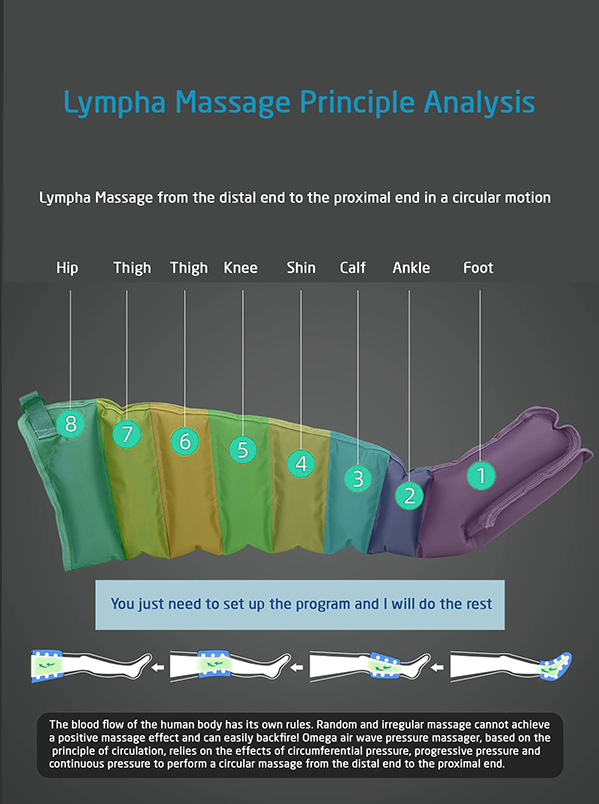
Lympha Massage is specifically designed to treat conditions like lipedema and has been cleared by the FDA for this purpose in the United States. This advanced compression therapy device has been clinically proven to help reduce swelling, decrease pain, and improve mobility in women with lipedema. When used as part of a comprehensive treatment program, Lympha Massage can also reduce the tendency for bruising and the formation of hematomas, which are common in lipedema patients.
The treatment regimen with Lympha Massage involves regular sessions where the device is used to gently massage the affected areas, helping to move stagnant lymphatic fluid, reduce inflammation, and break down fibrotic tissue. Over time, this can lead to a significant reduction in leg volume, less pain, and improved quality of life.
Lympha Massage stands out due to its versatility and adaptability, making it suitable for use at different stages of lipedema. For early-stage lipedema, regular use of Lympha Massage can help prevent the progression of the disease by maintaining lymphatic flow and reducing the buildup of fibrotic tissue.
For those in later stages, Lympha Massage offers a non-invasive method to manage symptoms and improve mobility, thereby enhancing the overall quality of life.
One of the key advantages of Lympha Massage is its ability to be integrated into a daily routine. Unlike some other therapies that require visits to specialized clinics, Lympha Massage can be used at home, providing consistent treatment without the need for frequent travel. This accessibility is crucial for those with mobility issues or those living in areas without easy access to specialized care.
Living with lipedema can be challenging, but with the right tools and support, it is possible to manage the condition effectively. Lympha Massage offers a powerful solution for women struggling with the symptoms of lipedema, helping them regain mobility, reduce pain, and improve their overall quality of life. Remember, you are not alone in this journey. With an estimated 350 million women affected worldwide, there is a growing community and an increasing number of resources available to help you navigate life with lipedema. Don’t hesitate to seek out professional help, explore treatment options like Lympha Massage, and take control of your health.
 CategoriesSCIENCE
Although often confused, lymphatic drainage and anti-cellulite massage are fundamentally different in both technique and benefits, making them suitable for distinct goals and needs.
Lymphatic drainage is a gentle and precise technique designed to encourage the natural circulation of lymph fluid throughout the body. The lymphatic system is essential for removing toxins, waste, and other unwanted materials from the body, making this massage a powerful tool for detoxification and immune support.
During a lymphatic drainage session, therapists use light, rhythmic movements to guide lymph fluid toward the lymph nodes, where it is filtered and purified. This process not only enhances the body’s ability to fight off infections but also promotes a sense of deep relaxation. Because lymphatic fluid is located just below the skin, the pressure applied is minimal, making the experience soothing and calming.
Lymphatic drainage is particularly beneficial for individuals who suffer from conditions such as lymphedema, chronic fatigue, or those recovering from surgery. It’s also an excellent choice for anyone looking to boost their overall health and well-being. To achieve optimal results, sessions typically last between 15 minutes and half an hour, with regular monthly treatments recommended. After each session, it’s crucial to rest and stay hydrated to assist your body in flushing out the toxins released during the massage.
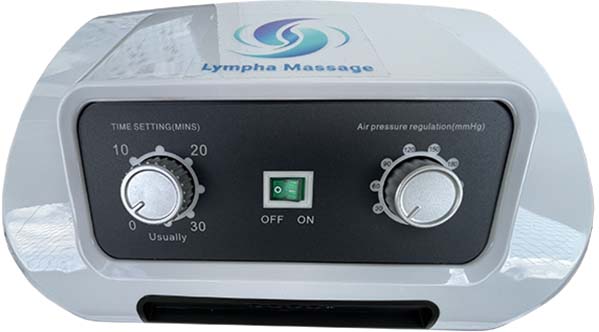
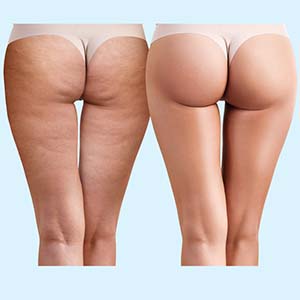
On the other hand, anti-cellulite massage is a more vigorous treatment designed to target and reduce the appearance of cellulite. Cellulite, often referred to as “orange peel skin,” occurs when fat deposits push through the connective tissue beneath the skin, leading to a dimpled or uneven surface.
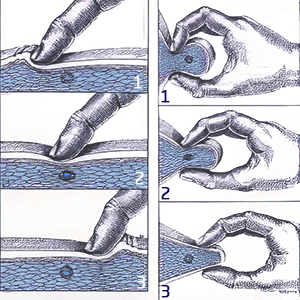
This type of massage employs firm pressure and a variety of techniques such as kneading, patting, and skin rolling. These methods work to break down the fat cells and stimulate blood flow, which can help smooth out the skin’s texture and reduce water retention. Unlike lymphatic drainage, anti-cellulite massage is more intense, aiming to stimulate deep tissue layers and improve circulation.
Anti-cellulite treatments are particularly effective for areas prone to cellulite, such as the thighs, buttocks, and abdomen. Sessions typically last around an hour, and for best results, it’s recommended to undergo treatment weekly. To maintain the effects of the massage, post-session care is essential, including staying hydrated and incorporating regular exercise into your routine. These practices help ensure that the improvements in skin texture and reduction in cellulite are long-lasting.
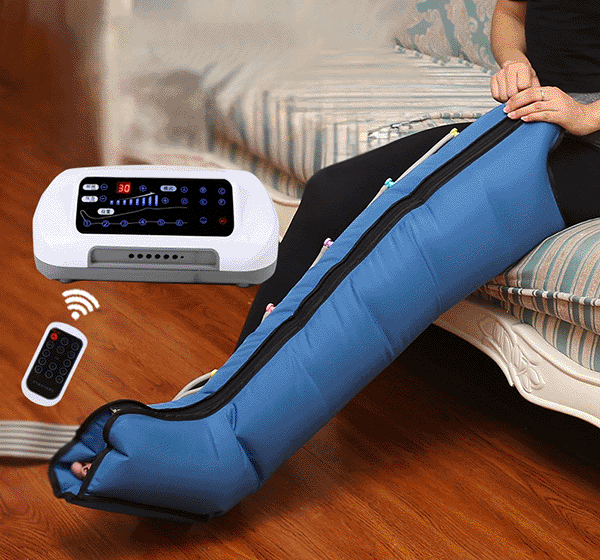
Modern advancements in massage therapy devices have made it easier to target both lymphatic drainage and cellulite reduction in one treatment. For example, Lympha Massage devices allow users to customize their massage experience by adjusting the air pressure in the cuff. This feature makes it possible to choose between a gentle lymphatic drainage massage or a more vigorous anti-cellulite treatment, depending on your specific needs at any given time.
While lymphatic drainage and anti-cellulite massages serve different purposes, they can be complementary, offering both detoxification and aesthetic benefits. Whether you seek to enhance your immune system, reduce toxins, or smooth and tone your skin, understanding the unique benefits of each massage type will help you select the best treatment for your goals. With innovations like the Lympha Massage, achieving these benefits can now be done in the comfort of your own home.
 CategoriesSCIENCE
Are you experiencing swelling, pain, or discomfort in your legs? It could be a sign of Chronic Venous Insufficiency (CVI), a common condition that affects millions of people worldwide. Understanding the causes, symptoms, and treatment options for CVI is essential for managing the condition effectively and improving your quality of life.
Chronic Venous Insufficiency (CVI) is a prevalent vascular condition that affects millions of people worldwide, with approximately 2% to 5% of the adult population in the United States experiencing this issue. Beyond causing simple discomfort, CVI has far-reaching implications for health, potentially leading to severe complications if not managed properly. This article delves into the nature of CVI, its symptoms, impact on the lymphatic system, and effective management strategies, with a particular focus on the role of Lympha Massage.
What is Chronic Venous Insufficiency (CVI)?
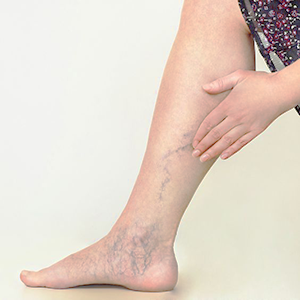
Chronic Venous Insufficiency occurs when the valves in the veins of the lower limbs fail to function effectively. Under normal conditions, these valves help ensure that blood flows upward from the legs to the heart against gravity. However, in CVI, these valves become weakened or damaged, causing blood to pool in the veins of the legs. This pooling prevents efficient blood circulation, resulting in a range of symptoms and complications.
The compromised blood flow leads to increased venous pressure, which can manifest as visible varicose veins and more severe issues like skin breakdown, chronic wounds, and venous stasis ulcers. The condition is often progressive, meaning that symptoms can worsen over time if not properly addressed.
CVI manifests through various symptoms that can range from mild to severe. Early recognition and treatment are crucial for managing this condition effectively:
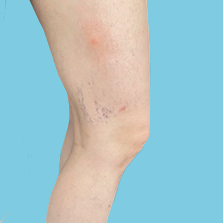
CVI profoundly affects the lymphatic system. Under normal conditions, the lymphatic system helps remove excess fluid and waste from tissues. However, in CVI, increased venous pressure causes fluid to leak from capillaries into surrounding tissues, leading to edema.
The excess fluid overwhelms the lymphatic system, causing chronic inflammation and damage to lymphatic vessels. This results in phlebolymphedema—a specific type of lymphedema associated with venous insufficiency. Phlebolymphedema not only causes persistent swelling but also makes the skin more susceptible to breakdown and ulceration.
If left untreated, the combined effects of CVI and phlebolymphedema can lead to severe, chronic wounds known as venous stasis ulcers. These ulcers are challenging to heal due to compromised circulation and ongoing venous pressure. Effective management of both CVI and lymphatic dysfunction is essential for preventing and treating these wounds.
Effective management of CVI requires a comprehensive approach that addresses the underlying venous insufficiency, alleviates symptoms, and prevents complications. Key strategies include:
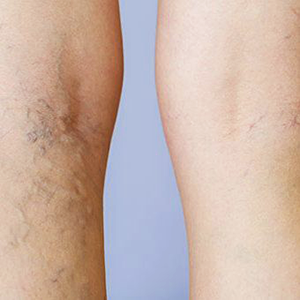
One of the most effective methods for managing CVI and its associated symptoms is pneumatic compression therapy, particularly using devices like Lympha Press®. This therapy employs a compression pump that applies sequential pressure to the affected limbs, promoting lymphatic flow and reducing edema.
In addition to pneumatic compression therapy, venous procedures such as sclerotherapy or laser therapy may be recommended to address the underlying venous insufficiency. These procedures work by closing off damaged veins, redirecting blood flow to healthier veins, and reducing venous pressure.
Lympha Massage can be highly beneficial both before and after venous procedures. It helps manage lymphatic overload by promoting lymph flow through the dermis and reducing the risk of complications such as phlebolymphedema.
Chronic Venous Insufficiency is a complex and often debilitating condition that requires a multifaceted treatment approach. Understanding the impact of CVI on both the venous and lymphatic systems is essential for effective management. Therapies like pneumatic compression with Lympha Massage offer powerful tools for improving circulation, reducing edema, and supporting wound healing. Integrating these therapies into a comprehensive treatment plan can help manage symptoms, prevent complications, and enhance the quality of life for individuals affected by CVI. For more detailed information on contraindications and how Lympha Press® can aid in managing CVI, consult with a healthcare provider or refer to the product catalog.
Your legs will thank you for it!
Lymphatic massage, also known as lymphatic drainage, is a therapeutic technique designed to stimulate the lymphatic system and improve overall health. Originally developed to aid in the treatment of lymphedema and other circulatory issues, this massage method has gained attention for its potential benefits in muscle control and reinforcement. This article explores how lymphatic massage can enhance muscle function, support recovery, and contribute to overall well-being.
LYMPHA MASSAGE PRODUCTS Закрыть