 CategoriesSCIENCE
Understanding Peripheral Arterial Disease (PAD)
What is Peripheral Arterial Disease (PAD)?
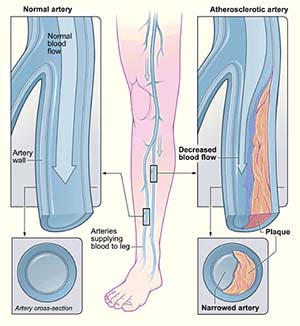
Peripheral Arterial Disease (PAD) is a serious and often underdiagnosed condition that affects approximately eight million Americans. PAD is primarily caused by atherosclerosis, a condition characterized by the hardening and narrowing of arteries due to the buildup of fatty deposits, known as plaque. While many are familiar with coronary artery disease (CAD), which affects the arteries of the heart, PAD involves similar processes occurring in the peripheral arteries—those that supply blood to the limbs, most commonly the legs and feet.
The Mechanism Behind PAD
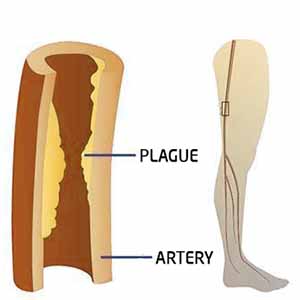
PAD begins when cholesterol and other fats circulating in the blood start accumulating on the walls of arteries. Over time, these fat deposits harden into plaque, leading to the narrowing and stiffening of the arterial walls—a process called atherosclerosis. The term «atherosclerosis» comes from the Greek words «Atheros,» meaning gruel or paste, and «sclerosis,» meaning hardness. This buildup can significantly reduce or even block the flow of blood through the arteries.
When the arteries in the legs and feet are affected, the reduction in blood flow can cause a range of symptoms, including pain, numbness, and cramping, especially during physical activity. This condition, known as claudication, occurs because the muscles in the legs are not receiving enough oxygen-rich blood to meet their increased demand during exercise. As PAD progresses, it can lead to more severe complications, including critical limb ischemia (CLI), where the lack of blood flow becomes so severe that it threatens the viability of the limb. In such cases, wounds may develop that do not heal properly, leading to the risk of infection, gangrene, and in extreme cases, amputation.
The Impact of PAD on Quality of Life
The symptoms of PAD can vary widely, from mild discomfort to severe pain and functional impairment. In its early stages, PAD may go unnoticed, as symptoms can be subtle or mistaken for other conditions. However, as the disease progresses, the impact on a person’s quality of life can be profound. Walking, a basic and essential activity, can become increasingly difficult due to pain and fatigue in the legs. In more advanced cases, even at rest, individuals may experience pain, indicating a critical level of arterial blockage.
Beyond the physical symptoms, PAD can also have significant psychological and social effects. The fear of pain and potential complications may lead to decreased physical activity, social withdrawal, and a decline in overall well-being. Furthermore, the risk of serious outcomes, such as limb loss, can cause considerable anxiety and distress.
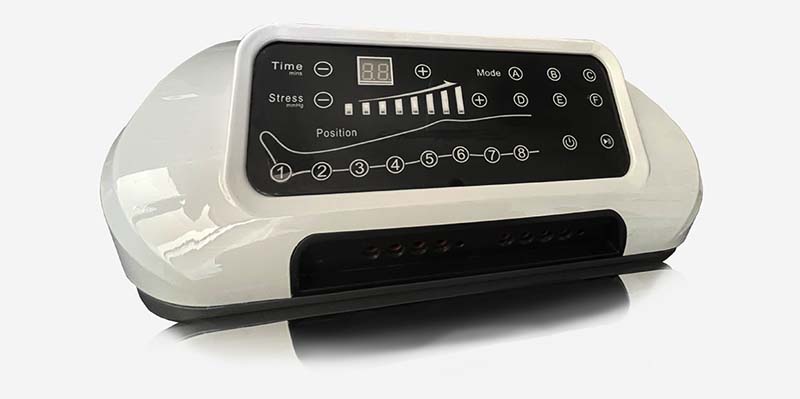
Advanced Treatment Options: Lympha Massage and the Arterial Assist Device
While PAD is a serious condition, there is hope for those affected. One innovative treatment option that has shown promise in clinical studies is the use of Lympha Massage. This therapy is designed to promote a process known as asteatosis , which refers to the permanent opening of collateral arteries—smaller vessels that can take over the role of supplying blood to tissues when the main arteries are blocked or narrowed.
Benefits of Lympha Massage for PAD Patients
Clinical studies have demonstrated several significant benefits of Lympha Massage for patients with PAD:
— Increased Arterial Flow: Lympha Massage has been shown to significantly improve arterial blood flow, helping to alleviate the symptoms of PAD by ensuring that more oxygen-rich blood reaches the affected limbs. This increased flow can enhance tissue health and reduce the risk of complications.
- Reduction in Rest Pain: One of the most distressing symptoms of advanced PAD is rest pain, which occurs when blood flow is insufficient even to meet the basic needs of the tissues at rest. Patients often experience this pain in the feet or toes, particularly at night. Clinical evidence suggests that Lympha Massage can reduce rest pain within just 1 to 2 weeks of treatment, providing much-needed relief.
- Ulcer Healing: PAD often leads to the development of ulcers on the legs and feet, which can be slow to heal due to poor circulation. Notably, patients undergoing Lympha Massage have shown noticeable improvements in ulcer healing after just 4 weeks of therapy, indicating that enhanced blood flow is facilitating the body’s natural healing processes.
- Improved Walking Ability: One of the primary goals in managing PAD is to restore a patient’s ability to walk without pain. Clinical studies report that within 8 weeks of Lympha Massage therapy, patients experienced improved, pain-free walking, enabling them to regain their mobility and independence.
The Future of PAD Management
As the understanding of PAD continues to evolve, so too do the treatment options available to patients. Traditional approaches, such as lifestyle changes, medications, and surgical interventions, remain important components of PAD management. However, the introduction of therapies like Lympha Massage offers a promising new avenue for improving patient outcomes, particularly for those who may not respond adequately to conventional treatments.
By enhancing blood flow, reducing pain, and promoting the healing of ulcers, Lympha Massage not only addresses the symptoms of PAD but also targets the underlying vascular issues that contribute to the disease. This comprehensive approach can help to prevent the progression of PAD, reduce the risk of complications, and ultimately improve the quality of life for those affected.
Conclusion
Peripheral Arterial Disease (PAD) is a complex and challenging condition that affects millions of people worldwide. However, with the advent of advanced treatments like Lympha Massage and the Arterial Assist Device, there is new hope for patients struggling with this disease. By focusing on improving circulation, reducing pain, and promoting healing, these therapies offer a powerful tool in the fight against PAD. For those living with PAD, the future holds the promise of better management, enhanced mobility, and a significantly improved quality of life.