 CategoriesSCIENCE
Managing Lipedema Effectively with Lympha Massage: A Path to Relief and Mobility
Introduction
Lympha Massage has emerged as a transformative tool for many women battling lipedema, offering a pathway to effectively manage this challenging condition. Lipedema is a progressive, chronic disease that affects an estimated 350 million women globally. Despite its prevalence, many women remain undiagnosed or unaware of how to manage the condition. With the right knowledge and tools, managing lipedema is not only feasible but can lead to significant improvements in quality of life.
Understanding Lipedema
Lipedema is a disorder of the adipose tissue, predominantly affecting women. It is characterized by the abnormal and painful accumulation of fat, particularly in the upper arms, hips, and thighs. Often misdiagnosed as simple obesity, lipedema is sometimes referred to as “the disease they call fat.” The term itself, «lipedema,» means “fluid in fat,” underscoring the abnormal retention of fluid within fatty tissues, which exacerbates the condition.
Women with lipedema often do not exhibit symptoms until they undergo significant hormonal changes, such as during puberty, pregnancy, or menopause. These hormonal shifts can trigger the onset or progression of the disease. Many women can recall specific life stages where they noticed unexplained changes in their body, leading to discomfort and pain that severely impact daily life.
How Do I Know If I Have Lipedema?
Recognizing the symptoms of lipedema is crucial for early diagnosis and effective management. Some common signs include:
- Excess Fat/Fluid in the Arms, Hips, and Thighs: Unlike typical weight gain, fat accumulation in lipedema is resistant to diet and exercise, often leading to a disproportionate body shape.
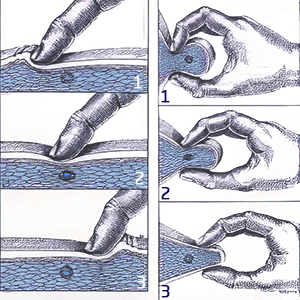
- Nodules of Fat Under the Skin: These nodules feel like small lumps beneath the skin, contributing to the characteristic spongy texture of affected areas.
- Disproportionate Body Size: Women with lipedema typically notice that their lower body is significantly larger than their upper body, creating an uneven and sometimes uncomfortable distribution of weight.
- Pain and Tenderness: The fatty areas are usually sensitive and painful to the touch, with pain being persistent and sometimes debilitating.
- Inability to Lose Weight: Despite strict diet and exercise regimes, the fat in lipedema-affected areas remains stubborn and unchanged.
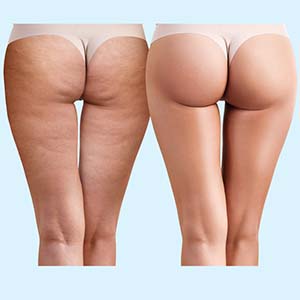
- Skin Pitting: The skin may develop a dimpled, uneven texture, often referred to as pitting.
- Fatty Overhang at the Ankles: A hallmark of lipedema is the sparing of the feet, creating a “cuff” at the ankles where the fat deposits abruptly stop.
- Capillary Fragility: Women with lipedema are more prone to bruising easily due to weakened blood vessels and increased pressure in the affected areas.
The Stages of Lipedema
Lipedema progresses through several stages, each marked by distinct characteristics and challenges:
- Stage 3: This early stage is often invisible to the naked eye but begins beneath the skin. Fluid starts leaking from blood capillaries, but instead of being absorbed by the lymphatic system as it should be, the fluid accumulates. Fat cells start changing, creating a spongy layer that traps fluid and prevents normal absorption, leading to inflammation and the development of fibrotic tissue.
- Stage 2: At this stage, the affected areas become visibly enlarged, and the skin may feel soft and dimpled, resembling the texture of an orange peel (peau d’orange). The fatty deposits increase, and nodules of fat become more noticeable under the skin.
- Stage 1: As lipedema progresses, the skin becomes harder and more fibrotic. The legs and other affected areas may become larger, and mobility can be significantly reduced. Women may experience difficulty performing everyday tasks such as walking, dressing, and even standing for long periods. In the most advanced stages, lipedema can lead to severe disability. The legs may become extremely large and misshapen, and the skin may develop large overhangs of fat that interfere with mobility. The chronic pain and discomfort associated with lipedema can lead to serious psychosocial issues, including depression and anxiety.
Treatment for Lipedema
While there is no cure for lipedema, various treatments can help manage the condition, reduce symptoms, and improve quality of life. Effective management often requires a combination of therapies tailored to the individual’s specific needs.
— Manual Therapy Techniques: Techniques such as Manual Lymphatic Drainage (MLD) are often used to stimulate the lymphatic system, reduce swelling, and alleviate pain. These therapies must be performed by trained professionals to ensure effectiveness and safety.
— Lympha Massage Accessories: Wearing Lympha Massage garments can help manage lipedema by providing support to the affected areas, reducing swelling, and promoting better lymphatic flow. These garments are often custom-fitted to ensure proper compression and comfort.
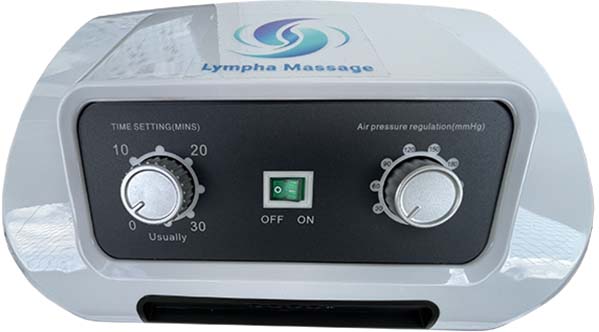
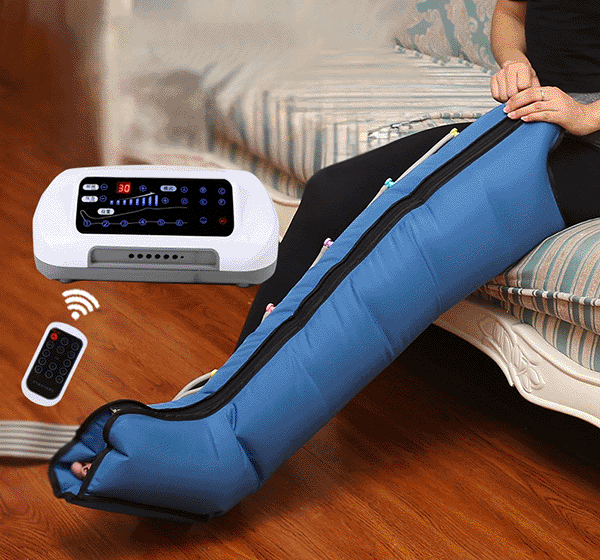
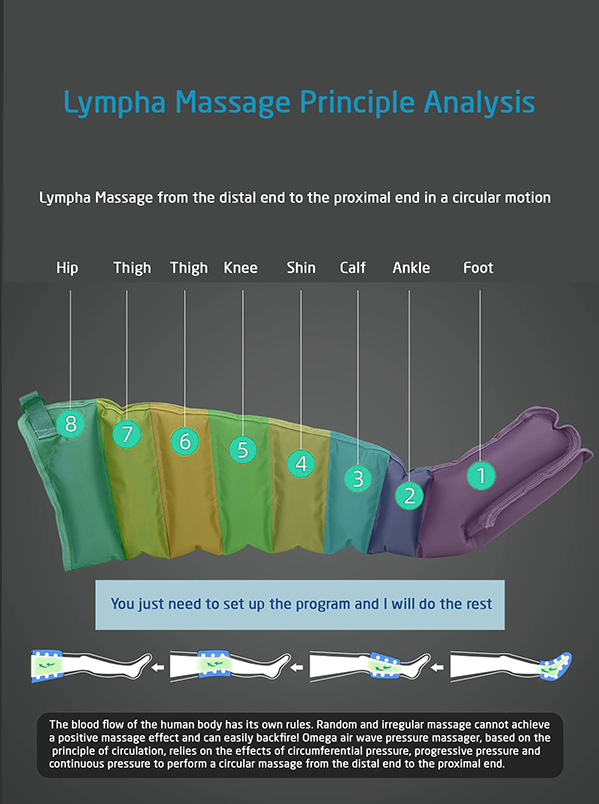
— Lympha Massage Therapy: One of the most effective treatments for lipedema is the use of pneumatic compression therapy devices like Lympha Massage. These devices apply controlled pressure to the affected areas, stimulating lymphatic flow, reducing fluid buildup, and alleviating pain.
The Role of Lympha Massage in Managing Lipedema
Lympha Massage is specifically designed to treat conditions like lipedema and has been cleared by the FDA for this purpose in the United States. This advanced compression therapy device has been clinically proven to help reduce swelling, decrease pain, and improve mobility in women with lipedema. When used as part of a comprehensive treatment program, Lympha Massage can also reduce the tendency for bruising and the formation of hematomas, which are common in lipedema patients.
The treatment regimen with Lympha Massage involves regular sessions where the device is used to gently massage the affected areas, helping to move stagnant lymphatic fluid, reduce inflammation, and break down fibrotic tissue. Over time, this can lead to a significant reduction in leg volume, less pain, and improved quality of life.
Lympha Massage stands out due to its versatility and adaptability, making it suitable for use at different stages of lipedema. For early-stage lipedema, regular use of Lympha Massage can help prevent the progression of the disease by maintaining lymphatic flow and reducing the buildup of fibrotic tissue.
For those in later stages, Lympha Massage offers a non-invasive method to manage symptoms and improve mobility, thereby enhancing the overall quality of life.
One of the key advantages of Lympha Massage is its ability to be integrated into a daily routine. Unlike some other therapies that require visits to specialized clinics, Lympha Massage can be used at home, providing consistent treatment without the need for frequent travel. This accessibility is crucial for those with mobility issues or those living in areas without easy access to specialized care.
Conclusion
Living with lipedema can be challenging, but with the right tools and support, it is possible to manage the condition effectively. Lympha Massage offers a powerful solution for women struggling with the symptoms of lipedema, helping them regain mobility, reduce pain, and improve their overall quality of life. Remember, you are not alone in this journey. With an estimated 350 million women affected worldwide, there is a growing community and an increasing number of resources available to help you navigate life with lipedema. Don’t hesitate to seek out professional help, explore treatment options like Lympha Massage, and take control of your health.