
CategoriesUncategorized

Can Cellulite Be Massaged Away?

Understanding Cellulite and Its Causes

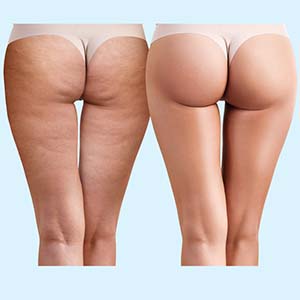
Cellulite is a common cosmetic concern affecting up to 90% of women at some point in their lives. Characterized by a dimpled or «orange peel» appearance, cellulite occurs when fat deposits push through the connective tissue beneath the skin. While it’s not harmful, many people seek ways to reduce its visibility for aesthetic reasons. Factors contributing to cellulite include genetics, hormonal changes, poor circulation, and an accumulation of toxins and fluids in the body.

The Role of Lymphatic Drainage Massage in Reducing Cellulite

Lymphatic drainage massage is a specialized technique that can play a significant role in minimizing the appearance of cellulite. Here’s how it works:

  1. Stimulation of Lymph Flow: Lymphatic drainage massage stimulates the lymphatic system, which is responsible for removing toxins and excess fluids from the body. By enhancing lymph flow, this massage helps to flush out the waste products that contribute to cellulite’s bumpy appearance. This process not only reduces the visibility of cellulite but also promotes overall skin health.
  2. Reduction of Swelling and Puffiness: One of the key benefits of lymphatic drainage massage is its ability to reduce swelling and puffiness, which often accentuate the dimpled texture of cellulite. By improving lymph circulation, this massage technique smooths out the skin’s surface, making cellulite less noticeable.
  3. Enhanced Skin Elasticity and Firmness: Regular lymphatic drainage massage sessions can significantly improve skin elasticity and firmness. This is particularly important for those dealing with cellulite, as firmer skin can make the uneven fat deposits less visible. The massage encourages collagen production, which strengthens the skin’s structure and helps it resist the formation of new cellulite.
  4. Targeting Fat Deposits: Lymphatic drainage massage directly targets the lymphatic system, which plays a crucial role in metabolizing fat. By stimulating this system, the massage may help to break down the fat deposits that cause cellulite, leading to a smoother skin texture over time.
  5. Boosting Overall Circulation: Improved circulation is another major advantage of lymphatic drainage massage. By delivering more oxygen and nutrients to skin cells, this massage enhances the skin’s ability to regenerate and repair itself, further aiding in cellulite reduction. Enhanced circulation also helps to prevent the formation of new cellulite by maintaining healthy skin tissue.

What Treatment Is Best for Cellulite?

Lymphatic Drainage Massage for Cellulite Treatment

When it comes to addressing cellulite, lymphatic drainage massage stands out as an effective and natural treatment option. This massage can be performed manually by a skilled therapist or with the aid of specialized mechanical devices designed to enhance lymph flow. Mechanical aids, such as the Lympha Massage, are particularly effective, offering up to 50 times more stimulation than manual techniques.
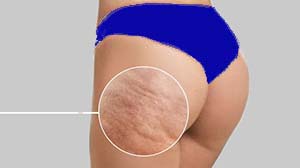
In the context of cellulite treatment, lymphatic drainage massage works by reducing swelling and improving circulation in the affected areas. This not only diminishes the visibility of existing cellulite but also helps to prevent the formation of new dimples. The intensity of the treatment can be adjusted based on individual needs, ranging from gentle manual massages to more vigorous mechanical methods. For women looking to tackle cellulite, this range of options allows for a tailored approach that best suits their condition and comfort level.

How Do You Unblock Your Leg Lymphatic System?

Maintaining a healthy lymphatic system is crucial for managing cellulite, particularly in the legs, where cellulite is most commonly found. Unblocking the leg lymphatic system can be achieved through a combination of practices that promote better lymph flow and reduce swelling.

  1. Regular Lymphatic Drainage Massages: Incorporating regular lymphatic drainage massages, either manually or using a device like Lympha Massage, can help to stimulate lymph flow and prevent fluid retention in the legs. These massages involve gentle, circular motions that encourage the movement of lymphatic fluid towards the lymph nodes for filtration.
  2. Exercise and Movement: Physical activity, such as walking, yoga, or swimming, naturally stimulates the lymphatic system through muscle contractions. Regular exercise helps to keep the lymphatic system active, reducing the likelihood of blockages and promoting overall circulation.
  3. Elevation and Hydration: Elevating the legs while resting can assist in draining excess fluids from the lower extremities, while staying hydrated by drinking plenty of water helps to flush out toxins and support healthy lymphatic function.
  4. Wearing Compression Garments: Compression garments apply gentle pressure to the legs, encouraging lymph fluid to move rather than pool in the tissues. This can be particularly beneficial for those with sedentary lifestyles or those who experience chronic swelling.

By combining these strategies, individuals can effectively unblock their leg lymphatic system, leading to improved health, reduced swelling, and a decrease in the visibility of cellulite.

Can Lymphatic Drainage Get Rid of Cellulite?

What to Expect After Lymphatic Drainage

Lymphatic drainage massage can be a valuable addition to any cellulite management routine, but it’s important to set realistic expectations. While some individuals may see a noticeable reduction in the appearance of cellulite after several sessions, results can vary widely.

Consistency is key to achieving the best results. It is generally recommended to start with 1-2 lymphatic drainage massage sessions per week. Over time, with continued treatment, many people report smoother skin and a reduction in cellulite. However, it’s essential to note that lymphatic drainage massage is most effective when combined with a healthy lifestyle, including proper diet, hydration, and regular exercise.

It’s also important to understand that while lymphatic drainage can help manage and reduce cellulite, it may not completely eliminate it. Results depend on several factors, including the severity of the cellulite, overall health, and individual response to treatment.

Lymphatic Massage for Cellulite: Conclusion

Lymphatic drainage massage, especially when performed with advanced devices like Lympha Massage, offers a promising solution for those looking to reduce the appearance of cellulite. By leveraging the body’s natural detoxification system, this massage technique helps smooth out the skin, improve circulation, and enhance overall well-being.

While it may take several sessions to see significant results, the benefits of lymphatic drainage extend beyond just cellulite reduction. It contributes to a healthier body by improving microcirculation, reducing fluid retention, and promoting the removal of toxins. For those seeking a natural and effective way to improve their skin’s appearance and health, lymphatic drainage massage is a safe and gentle option that delivers holistic benefits.


CategoriesLifestyle Uncategorized

Accelerated Recovery with Lympha Massage After Training

Lympha massage, also known as lymphatic drainage or Pressotherapy, is gaining popularity among athletes and fitness enthusiasts as a method to enhance recovery after training routines. This technique focuses on stimulating the lymphatic system, which plays a crucial role in removing waste products, toxins, and excess fluids from the body. Here’s how Lympha massage can accelerate recovery and improve performance.

  1. Enhanced Removal of Metabolic Waste

Intense training leads to the accumulation of metabolic waste products, such as lactic acid, which can cause muscle soreness and fatigue. Lympha massage helps to speed up the removal of these waste products by stimulating the flow of lymphatic fluid. This reduces the buildup of toxins in the muscles and helps to alleviate soreness and stiffness, allowing athletes to recover more quickly.

  1. Reduction of Inflammation and Swelling

After strenuous exercise, muscles can become inflamed and swollen due to microtears and increased blood flow to the area. Lympha massage helps to reduce this inflammation by encouraging the drainage of excess fluid from the tissues. This can decrease swelling and promote faster healing of damaged muscle fibers, leading to quicker recovery times.

  1. Improved Circulation and Oxygen Delivery

Lympha massage also enhances blood circulation, which is essential for delivering oxygen and nutrients to the muscles. Improved circulation means that the muscles receive the necessary building blocks to repair and grow stronger after a workout. This is particularly beneficial for athletes who engage in high-intensity training or endurance sports, where rapid recovery is critical for maintaining performance.

  1. Prevention of Delayed Onset Muscle Soreness (DOMS)


Delayed onset muscle soreness (DOMS) typically occurs 24 to 72 hours after intense exercise, leading to pain and reduced mobility. Lympha massage can help to prevent or minimize DOMS by promoting quicker removal of lactic acid and other waste products, as well as reducing muscle tightness. This allows athletes to maintain a regular training schedule without being hindered by soreness.

  1. Boosted Immune Function

The lymphatic system is a key component of the body’s immune response. By enhancing lymphatic circulation, Lympha massage helps to boost the immune system, reducing the risk of illness and infection that can result from intense training. A stronger immune system means fewer interruptions to training due to sickness, contributing to overall better performance.

How to Incorporate Lympha Massage into Your Recovery Routine

To maximize the benefits of Lympha massage, it can be incorporated into your post-training recovery routine. A typical session lasts between 30 to 45 minutes and can be done using specialized pressotherapy devices or through manual lymphatic drainage techniques performed by a trained therapist. Regular sessions, especially after intense workouts, can lead to significant improvements in recovery time and overall athletic performance.

Conclusion

Lympha massage offers a highly effective method for accelerating recovery after training by improving lymphatic function, reducing inflammation, and enhancing circulation. Athletes looking to optimize their performance and reduce downtime between workouts should consider incorporating this technique into their recovery regimen. As research and anecdotal evidence continue to support its benefits, Lympha massage is set to become an essential tool in the world of sports recovery.

CategoriesCompany Insight Lifestyle Uncategorized

Lympha Massage: Enhancing Dancer Performance

 Lympha Massage: Enhancing Dancer Performance for Optimal Competition Results

In the world of dance, where physical performance and precision are paramount, dancers are constantly seeking ways to optimize their training, prevent injuries, and enhance recovery. Lympha massage, a specialized technique aimed at stimulating the Lympha system, offers a unique set of benefits that can significantly impact a dancer’s competition results. This article explores how Lympha massage can be an invaluable tool for dancers striving to perform at their peak.

 The Role of Lympha Massage

Lymphatic massage involves gentle, rhythmic strokes designed to encourage the flow of Lympha fluid throughout the body. This technique helps to clear out toxins, reduce swelling, and improve overall circulation. For dancers, these benefits can translate into improved performance, faster recovery, and better overall health.

 Benefits of Lympha Massage for Dancers

  1. Improved Circulation and Oxygenation

   Optimal blood and lymph circulation are crucial for peak dance performance. Lympha massage enhances circulation, ensuring that muscles receive a steady supply of oxygen and nutrients while waste products are efficiently removed. This improved circulation can enhance muscle endurance and stamina, essential for performing complex routines and maintaining energy levels throughout a competition.

  1. Reduced Muscle Soreness and Recovery Time

   Intensive training and rehearsals often lead to muscle soreness and fatigue. Lympha massage can help reduce muscle soreness by accelerating the removal of metabolic waste products and reducing inflammation. This leads to faster recovery times, allowing dancers to train harder and perform better with less downtime between sessions.

  1. Prevention of Injuries 


   Regular Lympha massage can play a preventive role in injury management. By reducing muscle tension and promoting flexibility, it helps to minimize the risk of strains and sprains. Additionally, the massage supports overall joint health, which is vital for dancers who put significant stress on their joints during performances.

  1. Enhanced Flexibility and Range of Motion

   Flexibility is a critical aspect of dance, and Lympha massage can aid in maintaining and improving it. By reducing muscle tightness and promoting relaxation, the massage enhances range of motion. This can be particularly beneficial for dancers who require fluid, unrestricted movement for their routines.

  1. Stress Reduction and Mental Clarity

   The demands of competition can be mentally and emotionally taxing. Lympha massage not only helps in physical recovery but also promotes relaxation and reduces stress. Lower stress levels contribute to better focus, mental clarity, and overall performance during competitions.

 Incorporating Lympha Massage into a Dance Routine

  1. Pre-Competition Preparation

   Scheduling a Lympha massage before a competition can help prepare the body for peak performance. A session a few days before the event can reduce muscle tension, improve circulation, and ensure that the dancer feels relaxed and ready to perform. It is advisable to avoid intense massages immediately before performing, as the body may need time to adjust.

  1. Post-Competition Recovery

   After a competition, Lympha massage can aid in the recovery process. It helps to alleviate muscle soreness, reduce inflammation from any strains or injuries, and promote overall relaxation. Regular post-competition sessions can help dancers bounce back quickly and maintain their competitive edge.

  1. Integrating into Regular Training

   To maximize the benefits of Lympha massage, integrating it into regular training routines is key. Weekly or bi-weekly sessions can support ongoing muscle health, enhance recovery, and prevent injuries. Consistent use of Lympha massage can help dancers maintain their physical condition and improve their performance over time.

 Practical Considerations

  1. Finding a Qualified Therapist

   For the best results, dancers should seek out a certified massage therapist with experience in Lympha massage and an understanding of the specific needs of dancers. A qualified therapist can tailor the massage to address individual requirements and ensure safe and effective treatment.

  1. Combining with Other Therapies

   Lympha massage can be most effective when combined with other supportive therapies such as stretching, strength training, and proper nutrition. A holistic approach to training and recovery will yield the best results for competition performance.

  1. Listening to Your Body

   While Lympha massage offers numerous benefits, it’s important for dancers to listen to their bodies and avoid over-relying on any single therapy. Balancing massage with proper rest, hydration, and a well-rounded training regimen will lead to optimal results.

 Conclusion

  Lymphatic massage is a valuable tool for dancers seeking to enhance their performance and achieve their best competition results. By improving circulation, reducing muscle soreness, preventing injuries, and supporting overall recovery, this technique can help dancers perform at their peak and maintain their competitive edge. Integrating Lympha massage into a comprehensive training and recovery plan can make a significant difference in a dancer’s ability to excel on stage and achieve their goals.