For Whom is Lymphatic Drainage Intended?

Indications for Treatment
Lymphatic drainage is a versatile and widely applicable therapeutic treatment that caters to a broad spectrum of individuals. From medical conditions to aesthetic enhancements and athletic recovery, the range of indications for lymphatic drainage is truly impressive. Its therapeutic benefits make it one of the most universal physiotherapeutic treatments available today.
Medical Indications for Lymphatic Drainage
Lymphatic drainage is particularly beneficial for individuals suffering from various medical conditions that affect the lymphatic system, circulatory system, or other related bodily functions. The treatment’s ability to improve lymphatic flow, reduce swelling, and enhance circulation makes it an effective therapy for the following conditions:
- Edema Management: Lymphatic drainage is highly effective in treating various types of edema, including lymphatic edema, lipedema, and lymphatic stasis. Whether the edema is post-traumatic, postoperative, or associated with pregnancy, this treatment helps to reduce swelling by promoting the removal of excess lymphatic fluid from the affected tissues.
- Post-Mastectomy Care: After a mastectomy, many women experience swelling in the arm (lymphedema) due to the removal of lymph nodes. Lymphatic drainage is a recommended treatment to alleviate this swelling and restore proper lymphatic flow, thereby improving comfort and mobility.
- Prevention of Venous Insufficiency and Thrombosis: Lymphatic drainage can serve as a preventive measure against venous insufficiency and thrombosis. By enhancing circulation and reducing venous pressure, the treatment helps to prevent the formation of blood clots and the development of chronic venous disorders.
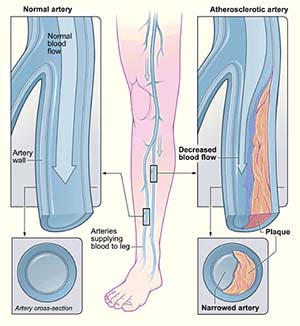
- Ischemic Lower Limb Disease: For individuals with ischemic lower limb disease—a condition where blood flow to the legs is restricted—lymphatic drainage can improve circulation, alleviate symptoms, and enhance overall leg health.
- Management of «Heavy Legs» and Telangiectasia: The sensation of heavy legs and the presence of telangiectasia (spider veins) are common complaints, especially among those who stand for long periods. Lymphatic drainage helps to reduce these symptoms by improving venous return and reducing fluid buildup in the legs.
- Osteoarthritis and Rheumatic Diseases: Lymphatic drainage is beneficial for those suffering from osteoarthritis, rheumatoid arthritis (RA), and juvenile idiopathic arthritis (JIA). By reducing inflammation and improving circulation, the treatment can alleviate pain and improve joint mobility.
- Gout Management: Gout, a condition characterized by the accumulation of uric acid crystals in the joints, can cause significant pain and swelling. Lymphatic drainage aids in reducing these symptoms by promoting the removal of excess fluids and toxins from the affected areas.
- Endocrine Disorders: Individuals with endocrine disorders such as thyroid disease or diabetes can also benefit from lymphatic drainage. The treatment helps to manage symptoms such as swelling, fluid retention, and poor circulation, which are often associated with these conditions.
Lymphatic Drainage for Athletes and Sports Recovery
- Athletes, whether amateur or professional, place significant demands on their bodies, making effective recovery strategies essential. Lymphatic drainage has become increasingly popular in the sports world due to its ability to accelerate recovery, reduce the risk of injury, and enhance overall performance. The following are key indications for lymphatic drainage in athletes:
- Post-Workout Regeneration: After intense training sessions or competitions, athletes often experience muscle fatigue, soreness, and stiffness. Lymphatic drainage helps to speed up recovery by flushing out metabolic waste products, reducing inflammation, and promoting the delivery of oxygen and nutrients to the muscles.
- Muscle Fatigue and Tension: Muscle fatigue, characterized by pain and tension, is a common issue for athletes. Lymphatic drainage alleviates these symptoms by improving blood flow and reducing the accumulation of lactic acid, thereby allowing muscles to recover more quickly and effectively.
- Swelling After Contusions: Injuries such as contusions often result in swelling and bruising, which can hinder an athlete’s performance and recovery. Lymphatic drainage helps to reduce swelling and promote faster healing, enabling athletes to return to their training routines sooner.
- Injury Prevention: Lymphatic drainage can also be used preventively to reduce the risk of injury. By improving circulation and reducing muscle tension, the treatment helps to maintain optimal muscle health and flexibility, making athletes less prone to strains, sprains, and other injuries.
Aesthetic and Beauty Applications of Lymphatic Drainage
Beyond its medical and sports-related applications, lymphatic drainage is also a sought-after treatment in the aesthetic and beauty industry. Its ability to improve skin tone, reduce cellulite, and enhance overall body contouring makes it a popular choice among those seeking to enhance their appearance. Key aesthetic indications for lymphatic drainage include:
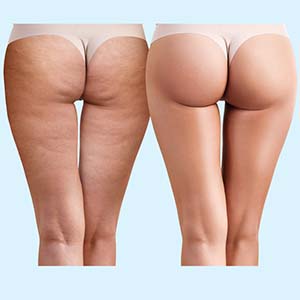
- Cellulite Reduction: Cellulite, characterized by dimpled skin, is a common aesthetic concern for many individuals. Lymphatic drainage helps to reduce the appearance of cellulite by improving circulation, breaking down fat deposits, and promoting the removal of excess fluids.
- Skin Firmness and Tone: As we age, our skin can lose firmness and elasticity. Lymphatic drainage promotes better circulation and lymphatic flow, which helps to firm the skin and improve its overall tone and texture, giving it a more youthful appearance.
- Excess Fatty Tissue: For individuals looking to reduce excess fatty tissue, lymphatic drainage can be an effective complementary treatment. By enhancing the removal of toxins and waste products from the body, the treatment supports weight loss and body sculpting efforts.
- Post-Liposuction Recovery : After liposuction, patients often experience swelling and may be at risk of developing tissue fibrosis—a possible complication where connective tissue becomes thickened and scarred. Lymphatic drainage is highly recommended post-liposuction to reduce swelling, promote healing, and prevent the formation of fibrotic tissue, ensuring smoother and more even results.