Lymphatic Drainage Massage for Cellulite: From Bumpy to Smooth
Understanding the Connection Between the Lymphatic System and Cellulite
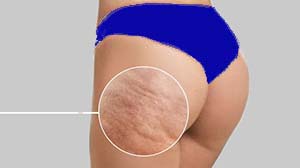
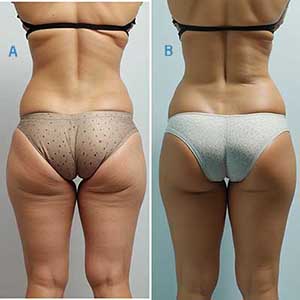
Cellulite is a common cosmetic concern that affects nearly 90% of women at some point in their lives. It’s often described as skin dimpling or the ‘orange peel’ texture, typically appearing on the thighs, buttocks, and sometimes the abdomen and arms. While cellulite is not harmful, it can impact self-esteem and confidence, especially as it becomes more prominent after menopause. Among the various treatments available, lymphatic drainage massage stands out as a natural and effective approach to reducing the appearance of cellulite and preventing new dimples from forming.
What Is Cellulite?
Cellulite forms when fat deposits push through the connective tissue beneath the skin, creating a dimpled or uneven appearance. This condition is influenced by several factors, including genetics, hormonal changes, poor circulation, and the accumulation of toxins and fluids within the body. While cellulite can affect both men and women, it is far more common in women due to differences in fat distribution, connective tissue structure, and hormonal fluctuations.
Can You Realistically Get Rid of Cellulite?
Completely eliminating cellulite can be challenging, but you can significantly reduce its visibility with the right approach. One of the most effective ways to manage cellulite is by supporting the lymphatic system through practices like lymphatic drainage massage. By enhancing lymph flow, this massage helps the body eliminate excess fluids and toxins that contribute to swelling and cellulite. While no treatment can guarantee the complete removal of cellulite, maintaining a healthy lymphatic system can significantly diminish its appearance and prevent new dimples from forming.
o
The Lymphatic System and Its Role in Cellulite
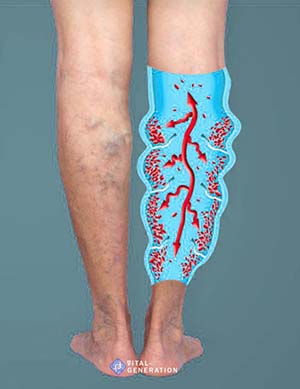
The lymphatic system plays a crucial role in maintaining fluid balance within the body, supporting the immune system, and removing waste products from tissues. This network of vessels, nodes, and organs transports lymph—a clear fluid containing white blood cells, waste products, and toxins—back into the bloodstream for filtration and elimination.
When the lymphatic system is functioning properly, it helps keep the body’s fluid levels in check and prevents the buildup of toxins and waste. However, when lymphatic circulation is poor, excess fluids and toxins can accumulate in the tissues, contributing to swelling and exacerbating the appearance of cellulite. This underscores the importance of a healthy lymphatic system in managing both body swelling and cellulite.
Does a Clogged Lymphatic System Cause Cellulite?
A poorly functioning or «clogged» lymphatic system can indeed play a role in the development and worsening of cellulite. When lymphatic circulation is impaired, the body struggles to remove excess fluids and toxins, leading to tissue swelling (edema) and the accumulation of fat deposits. These factors can make cellulite more pronounced, as the swollen tissues push the fat deposits closer to the skin’s surface, enhancing the dimpled appearance.
Signs of a sluggish lymphatic system include swelling in the legs, ankles, or abdomen, as well as a general feeling of heaviness or bloating. For those experiencing these symptoms, starting with lymphatic drainage massage is essential to help reduce excess fluids and swelling. Once the swelling is under control, you can focus on more targeted treatments for cellulite reduction.
Cellulite and Lymphatic Drainage Massage
Lymphatic drainage massage is a gentle, rhythmic massage technique designed to stimulate the lymphatic system and promote the movement of lymphatic fluid. By encouraging better lymph circulation, this massage helps the body eliminate excess fluids and toxins, which in turn reduces tissue swelling and improves the appearance of cellulite.
The benefits of lymphatic drainage massage for cellulite are multi-faceted:
- Reduction of Swelling: By improving lymph flow, this massage helps to reduce the buildup of fluids in the tissues, which can otherwise make cellulite more noticeable. Reduced swelling leads to a smoother skin surface, diminishing the dimpled appearance of cellulite.
- Detoxification: Lymphatic drainage massage aids in the removal of toxins and waste products from the body, which can contribute to the development and worsening of cellulite. By cleansing the tissues, this massage supports healthier skin and a more even skin texture.
- Improved Circulation: Enhanced lymphatic circulation also promotes better blood flow, delivering more oxygen and nutrients to the skin. This improved circulation helps to strengthen the connective tissue, making it less likely for fat deposits to push through and create cellulite.
- Prevention of Tissue Fibrosis: Over time, untreated swelling can lead to tissue fibrosis, where the connective tissue becomes thickened and hardened. This condition can make cellulite more severe and harder to treat. Lymphatic drainage massage helps prevent fibrosis by maintaining healthy tissue elasticity and reducing the buildup of fluids.
- Holistic Benefits: Beyond its cosmetic benefits, lymphatic drainage massage offers a range of health advantages, including boosted immune function, reduced stress levels, and enhanced overall well-being. By supporting the body’s natural detoxification processes, this massage can contribute to a healthier, more vibrant appearance.
How to Incorporate Lymphatic Drainage Massage into Your Routine
For those looking to manage cellulite effectively, regular lymphatic drainage massage sessions can be a valuable addition to their skincare routine. While professional treatments can provide significant benefits, incorporating self-massage techniques at home can also help maintain results between sessions.
- Professional Treatments: For optimal results, consider scheduling regular lymphatic drainage massage sessions with a trained therapist. Depending on your needs, treatments can be tailored to focus on specific areas of concern, such as the thighs or buttocks, where cellulite is most common.
- Self-Massage at Home: Complement professional treatments with self-massage at home using gentle, circular motions to stimulate lymph flow. Focus on areas prone to cellulite, and consider using massage tools or devices designed to enhance lymphatic drainage.
- Lifestyle Adjustments: Support your lymphatic system by staying hydrated, eating a balanced diet rich in antioxidants, and engaging in regular physical activity. These lifestyle choices can help maintain healthy lymphatic circulation and reduce the risk of cellulite development.
Conclusion: From Bumpy to Smooth
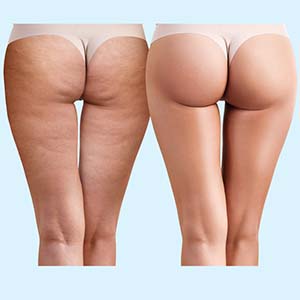
Lymphatic drainage massage offers a natural, effective approach to managing cellulite by targeting the underlying factors that contribute to its formation. By enhancing lymphatic circulation, reducing tissue swelling, and promoting detoxification, this massage technique helps smooth out the skin’s surface and diminish the appearance of cellulite.
While results may vary depending on individual factors, consistent treatment combined with a healthy lifestyle can lead to noticeable improvements in skin texture and firmness. For those seeking a holistic solution to cellulite, lymphatic drainage massage provides a safe and gentle option that supports both aesthetic and overall health.